Blind features that matter most for a well-fitted window
Choosing window blinds can feel like a straightforward task until you stand in a showroom or scroll through online galleries. The range of colours, fabrics and operating mechanisms is wide, and it is easy to be drawn to a look that later proves impractical. A blind that looks good in a picture may not control light well, may not fit the window recess properly, or may simply not suit the room's daily use. Understanding a few core features before you order helps you avoid disappointment and ensures the finished installation works as intended.
Why fit matters before anything else
The most important aspect of any window blind is how it fits the opening. A blind that is too wide lets in unwanted light at the edges, while one that is too narrow leaves a gap that defeats its purpose. The window recess depth also determines which style of blind can be mounted inside the recess and which must sit on the wall outside it. Professional measurement and installation take the guesswork out of this process, but knowing what to look for when choosing means you can describe your requirements clearly.
Light control: more than just open or shut
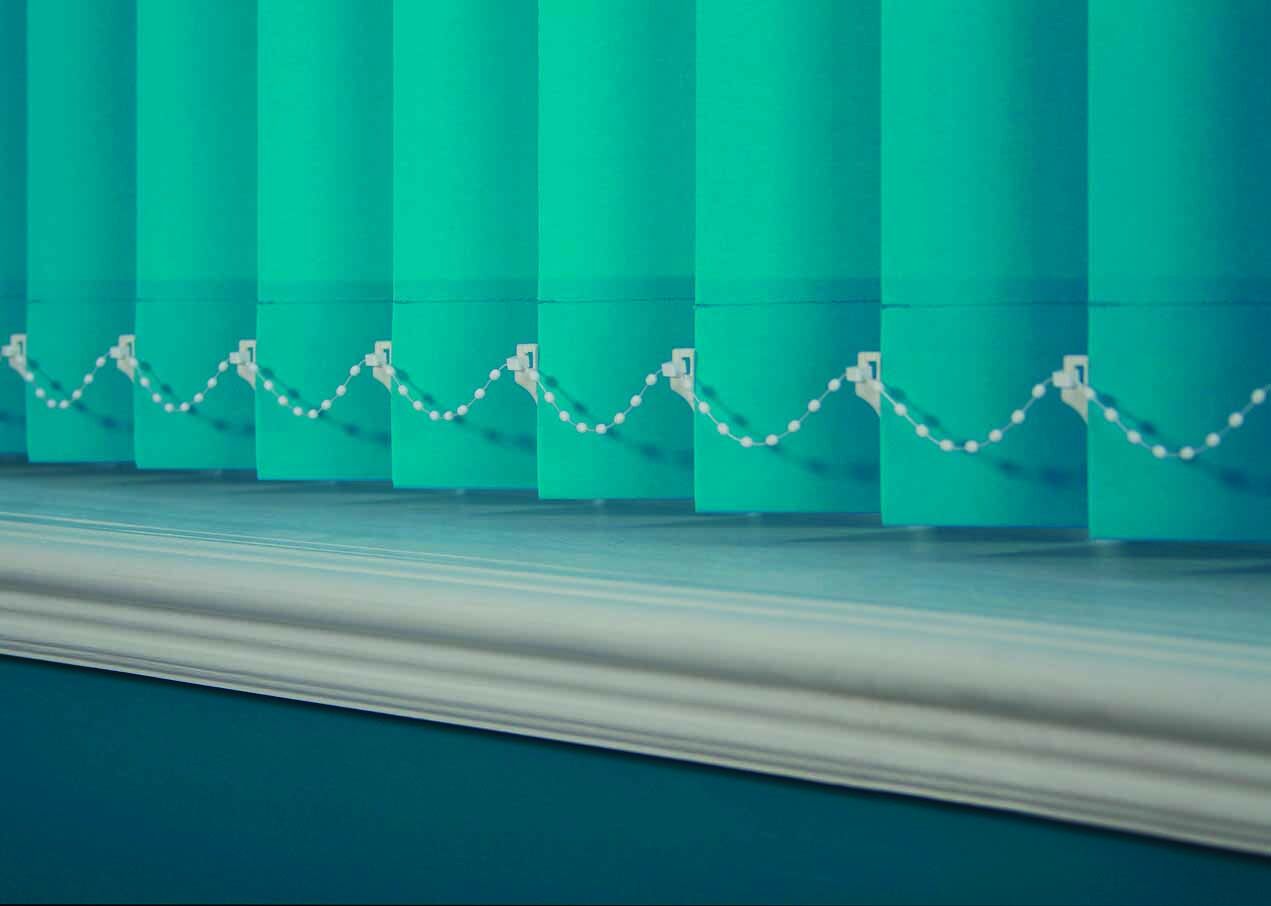
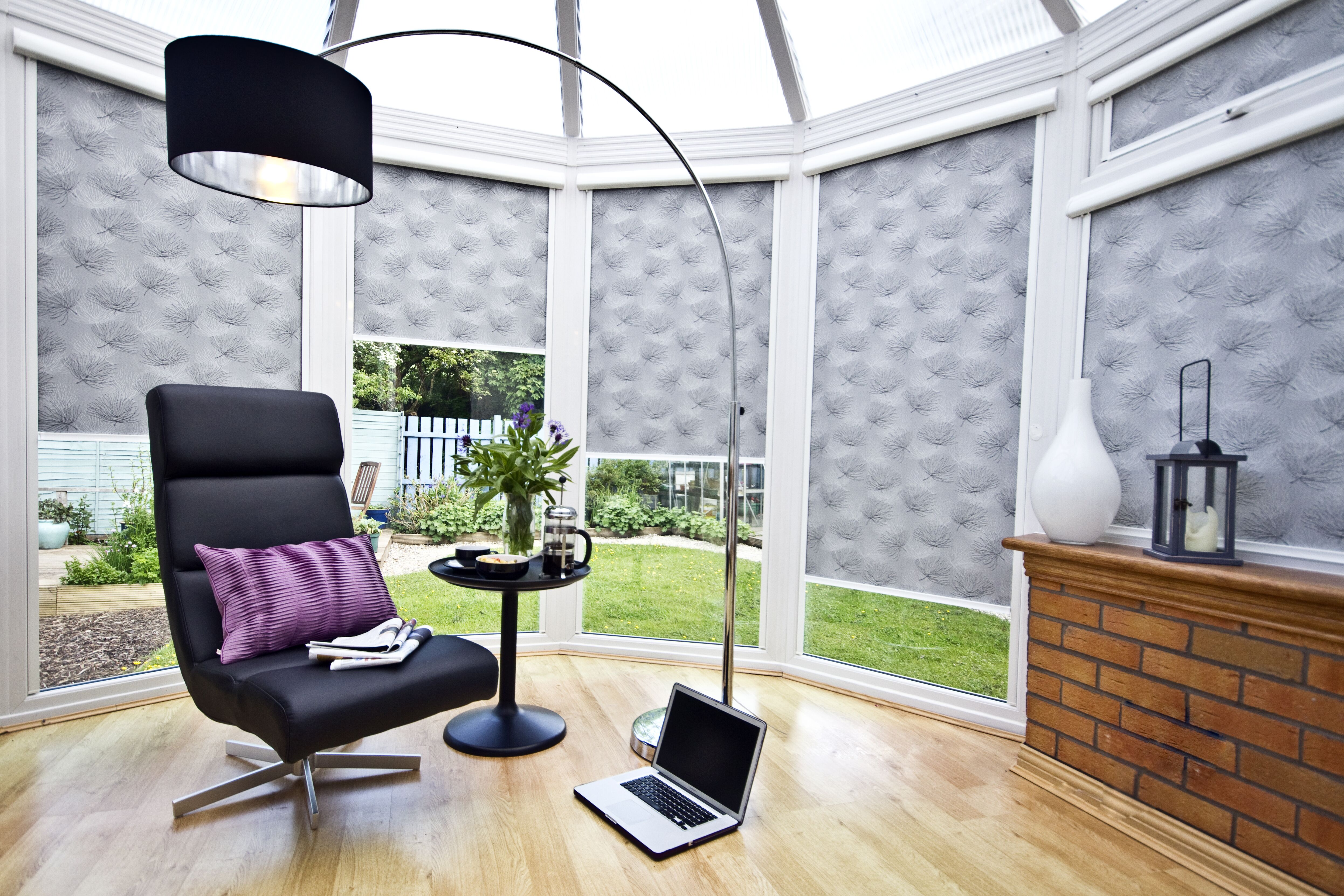
How much light you want in a room is a personal choice, but the blind's design dictates the range of options you get. Roller blinds offer a clean look and can be blackout or sunscreen, but they leave a small gap at the edges unless fitted with a side channel. Venetian blinds give you adjustable slats that tilt to control glare while still letting in some light, but the slats themselves can let light through if the fabric is thin. Vertical blinds work well on wide doors or large windows, though the vanes can move in a draught and let light slip through. For precise control, consider whether you need total darkness for a bedroom or soft diffused light for a living area.
Privacy level: balancing openness with seclusion
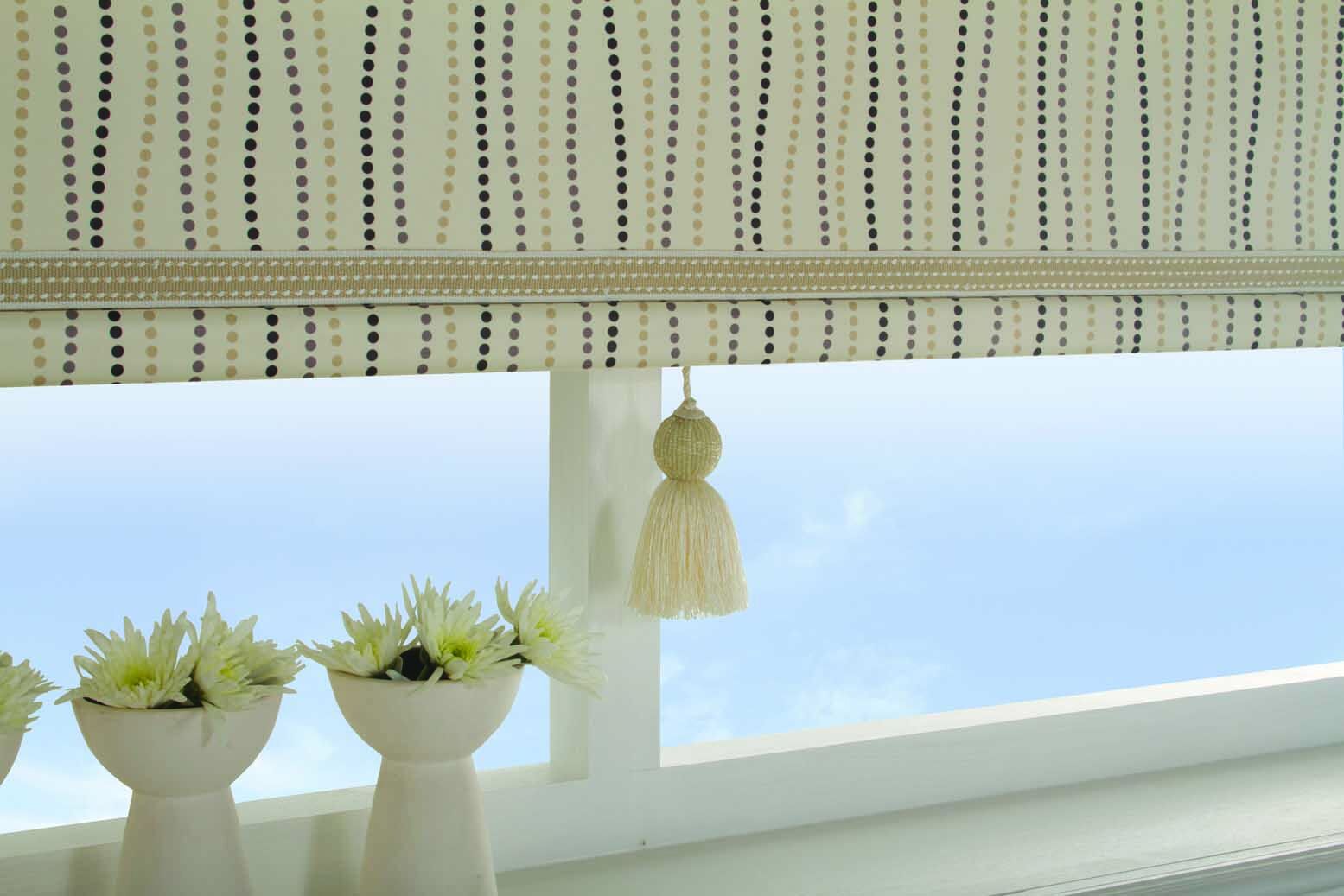
Privacy is closely tied to light control, but it deserves separate thought. A bathroom or street-facing window needs a blind that obscures the view from outside even when the blind is partly open. For these rooms, a top-down bottom-up blind allows you to let light in through the top while keeping the lower section closed for privacy. Roman blinds and cellular blinds also offer good privacy because the fabric blocks the view when lowered. Check how the blind behaves at different positions; some styles that look opaque from the front become surprisingly transparent when backlit.
Fabric and slat size: the feel and function
The material you choose affects both appearance and performance. Thicker fabrics provide better insulation and light blocking, while lighter fabrics suit rooms where you want a soft, airy feel. For venetian blinds, slat size changes the overall look and the amount of light that enters when the slats are tilted. Wider slats give a modern, clean appearance and let in more light when open, while narrower slats suit traditional spaces and allow finer adjustment. The fabric also influences how easy the blind is to clean and how long it lasts in a sunny window.
Operating mechanism: ease of use day to day
How you raise, lower and tilt the blind matters more than you might expect. Standard cord and chain systems are reliable but can be a hazard for young children and pets. If safety is a concern, look for cordless options or spring-operated blinds that lift easily without dangling cords. Motorised blinds offer the ultimate convenience, especially for hard-to-reach windows, but they add cost and require a power source or batteries. Think about who will use the blind and how often; a simple pull cord may be fine for a guest room, while a kitchen blind that adjusts several times a day benefits from a smooth, one-handed mechanism.
Colour scheme and room harmony
Blind colour is not just about matching the walls. A light-coloured blind reflects sunlight and keeps the room cooler, whereas a dark blind absorbs heat and can make a south-facing room feel warmer. The colour also affects how the window recess appears; a blind in a similar shade to the wall will recede visually, while a contrasting colour draws attention. If you plan to change your decor in the future, neutral tones are a safer choice. Samples held against the actual wall in the room's natural light give a truer impression than a swatch viewed under shop lighting.
Made-to-measure versus ready-made
Ready-made blinds are tempting because they are cheaper and available immediately, but they rarely fit a window perfectly. Standard sizes assume a uniform opening, whereas most homes have windows that vary slightly in width and drop. A ready-made blind that is a few millimetres too narrow will always look slightly off and may not block light effectively. Made-to-measure blinds solve this problem by matching the exact dimensions of your window. This is where the idea of blinds tailored to each window comes into its own. When every measurement is taken specifically for your home, the result is a neat fit with no light gaps and a clean appearance that looks built-in.
A professional supplier who measures and installs the blind can also advise on the best style for your window recess and the right slat size for the proportions of the room. This level of customisation is what sets made-to-measure apart. The extra upfront investment pays off in the long run because the blind lasts longer, works better, and adds to the comfort of the room.
What to ask before you order
- What is the window recess depth, and does it allow an inside mount?
- Do I want the blind to sit inside the recess or on the wall outside it?
- What level of light control do I need for this room?
- Is cordless or motorised operation a priority for safety or convenience?
Asking these questions early, and ideally discussing them with a supplier who can see the window, ensures you choose a blind that suits both the room and your daily habits. Remember that blinds tailored to each window are not just about size; they are about matching the right style, fabric and mechanism to the specific conditions of your home. A well-chosen blind becomes a lasting part of the room, quietly doing its job without demanding attention.
Final practical points
Installation quality matters as much as the blind itself. A blind that is level and securely fixed will operate smoothly and stay in alignment for years. Even the best-made blind will disappoint if it is fitted poorly. That is why having an experienced installer who knows how to handle different wall materials and window types makes a real difference. Their knowledge of the local area and typical building styles also helps them anticipate challenges before they become problems.
Choosing a blind is a balance of aesthetics, function and fit. By focusing on the features that affect how the blind performs day to day, you avoid the common mistakes that lead to regret. Light control, privacy, fabric quality, operating ease and precise fit are the five pillars of a good choice. Start with your window's dimensions and your room's needs, and let those guide every other decision.